Milk delivery holiday pause: skips, restarts and billing
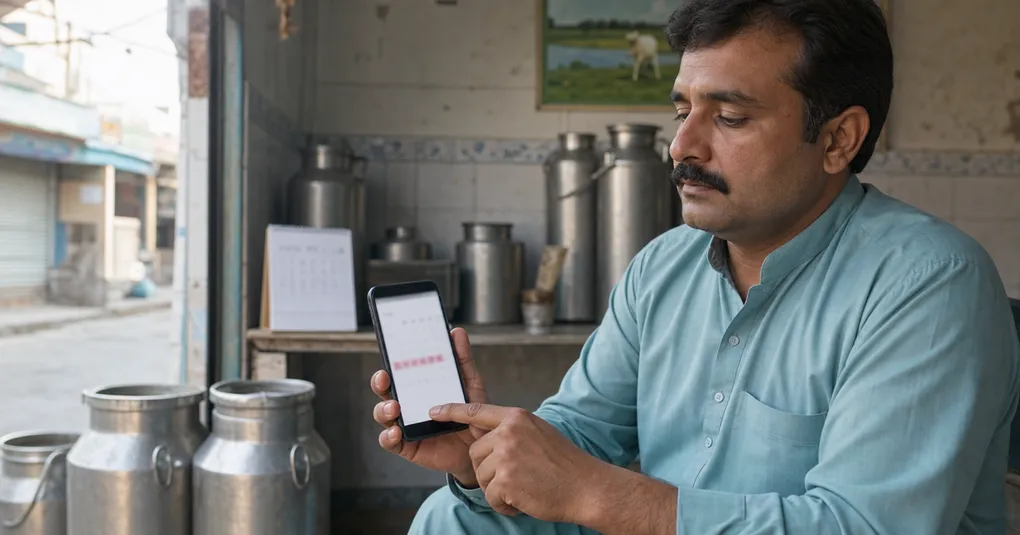
A milk delivery holiday pause needs three dates that nobody has to interpret later: the customer’s last delivery, the first skipped round and the exact restart round. Mark each affected delivery as skipped, keep the customer account open, and prepare the part-month bill from what was actually delivered.
The awkward part is rarely the customer’s request. It is turning “we’ll be back on Monday” into a record that still makes sense to the morning delivery worker, the evening worker and whoever prepares the bill.
What to record for a milk delivery holiday pause
Keep the pause details together rather than splitting them between a phone call, a WhatsApp chat and the delivery person’s memory.
| Field | Example wording | Why it matters |
|---|---|---|
| Customer | The account name and delivery stop | Distinguishes it from an account with a similar name |
| Last delivery | “Sunday evening is the last delivery” | Confirms where normal delivery ends |
| Pause starts | “Skip from Monday morning” | Separates morning and evening rounds |
| Restart | “Restart Friday evening” | Says exactly when milk should return |
| Regular quantity | The customer’s normal morning and evening quantities | Gives the returning round a baseline |
| Temporary change | A different quantity requested after the holiday | Stops an old quantity being restored by habit |
| Confirmation | How and when the customer confirmed the dates | Gives the owner one version to check |
This is an operational record, not a complicated form. The wording just needs to be precise enough for a different person to follow it.
Make “back on Monday” precise
“Back on Monday” can mean restart Monday morning, restart Monday evening or start again on Tuesday after the family has settled in. The delivery worker should not have to guess at the gate.
Repeat the instruction in round language:
- What is the final delivery before the pause?
- Is the first skip in the morning or evening?
- Which round should deliver again?
- Does the usual quantity restart, or has it changed?
Send the customer a short confirmation with those details. It does not need formal wording. Its job is to catch a misunderstood date while the conversation is still fresh.
If the pause is arranged well in advance, keep the dates somewhere the person preparing the round will actually check. A calendar reminder can warn the team about the future change. It should not replace the daily delivery record once the pause begins.
Keep every skipped round in the record
Do not delete the customer, remove them from the account or leave blank days during the holiday. Those choices remove the evidence that the delivery was intentionally paused.
For each affected morning or evening round, record a skip. A clear skip means “no milk was due.” A blank can mean the worker forgot to enter the delivery, the round was unfinished or the record went missing.
This also matters when somebody else covers the route. The substitute can see that the house is a known stop but is not due today. They are less likely to deliver from the old routine simply because they recognise the gate.
When a customer gives late notice, record what actually happened. If milk was already delivered, do not rewrite the day as a skip. If it was returned or adjusted, keep that outcome separate so the later bill does not pretend the delivery never existed.
The wider milk-round handover checklist explains the route details a replacement needs. The pause record is one temporary exception inside that larger handover.
Restart without guessing
Check the restart instruction before the customer’s first delivery is loaded. This can catch a later return or a request for a different quantity.
If you ask for confirmation, make the question specific: “Should we restart Friday evening with your regular quantity?” That is easier to answer than “Are you back?” and gives the delivery worker a usable instruction.
Keep the account’s saved location, gate photo and route position while the customer is away. Those details still matter when a substitute handles the restart. The guide to using a door photo on a milk round explains why the photo supports the address rather than replacing it.
Once milk is delivered again, record the actual quantity. Do not fill the holiday gap with the regular quantity or copy a full normal month into the hisab.
Turn the delivery record into the part-month bill
The bill should follow the delivery history:
- Total the quantities that were actually delivered.
- Leave clearly skipped rounds at zero.
- Apply the rate that covered those delivered quantities.
- Keep any earlier udhar, payment or separate adjustment on its own line.
- Give the customer the daily detail if they want to check the holiday dates.
Do not hide the pause inside a discount. A discount changes a charge; a skip means no delivery was due. Keeping them separate makes the monthly milk bill format easier to read and carry into the next month.
If your business sells a fixed subscription rather than billing actual deliveries, follow the agreement you made with the customer and show that rule clearly. The workflow in this article assumes the bill is based on recorded quantities and skips.
Where DairyTrack fits—and where it does not
In DairyTrack’s current milk delivery management workflow, the person on the round records the quantity delivered or marks the stop skipped. Morning and evening work remain separate, and those daily records are available for the milk billing workflow.
That supports the important part of a holiday pause: preserving what actually happened on each round and carrying it into the bill. This article does not claim that DairyTrack automatically schedules a future pause from one start and end date. If you keep advance dates in a calendar or business note, the round still needs an accurate skip or delivery record on the day.
Get DairyTrack on Google Play and start by recording today’s delivered and skipped stops instead of reconstructing them at month end.
Keep reading